This is a detailed post — grab a coffee. I get asked about this a lot, and it deserves a proper answer.
I'm often asked some version of the same question: how do I actually progress in watercolour? Or more specifically, how do I use your Patreon lessons to get better? After years of teaching, I've noticed the same patterns coming up again and again — both the things that help people improve and the things that hold them back. So here it is, all in one place.
1. Don't just watch — do
This is the big one. In a world of endless tutorials and beautiful videos, it's very easy to spend hours watching and feel like you're learning. But watching is not the same as doing. You can consume hundreds of hours of watercolour content and not improve at all if you never pick up a brush.
I say this gently, because I think we all fall into this trap sometimes — the videos are genuinely enjoyable to watch, and there's always something new and exciting to click on next. But the real learning happens when things go wrong and you have to figure out why. That only happens when you're the one holding the brush.
So: watch the tutorial once, then close the laptop and paint.
Watercolour pathways to learning
2. Follow the pathways
If you're new to my Patreon and not sure where to begin, start with the collection called ADVENTURES IN COLOUR — it's the first thing on my Patreon home page.
I've created four structured mini pathways, each one a self-contained course of six lessons that build progressively toward a grand finale project. These are the best place to start if you want to develop real skills in a particular area rather than jumping around between tutorials.
The four pathways are:
Jump Right In — for beginners, or for anyone who's had a break and wants to ease back in
The Living Landscape — trees, foliage, and outdoor scenes
Light, Mood and Atmosphere — creating drama, depth, and expression in your paintings
Travelling Through Time — old buildings, boats, wood, stonework, corrugated iron — subjects with a story
Choose whichever one speaks to you and work through the lessons in order. When you reach the end, the grand finale project will bring all those skills together and give you a real sense of accomplishment.
3. From tutorial to independent painting — the progression that actually works
Once you've done a lesson, don't immediately jump to a new one. This is where most people short-circuit their own progress.
Here's the sequence that works:
Do the tutorial. Follow along, brush in hand. Pay attention to what surprises you.
Do the relevant challenge. Each month I set a challenge based on one or more recent lessons. Search "challenges" in the Patreon to find the ones that match what you've just learned. These aren't just a photo and a "good luck" — each one comes with tips and guidance to help you bridge the gap between following along and working independently.
Paint it again on your own. Find a similar reference photo and paint it without the tutorial playing. Then do it again. And again.
This repetition is where your style actually starts to develop. You take what you learned and, over time, it starts going in your own direction. That's how you find your voice — not by doing more tutorials, but by spending time alone with what you've already learned.
On the subject of failures: they will happen, and they're not a sign that something is wrong. Expect this sequence: tutorial goes well → challenge goes okay → solo paintings go well for a bit → then suddenly they don't. This is completely normal. It often means you're pushing yourself — you've chosen something more ambitious because your confidence has grown.
When a painting isn't working, don't just set it aside. Look at it. Ask yourself: wrong colours? Tonal values off? Too complex a subject for this particular style? Compare it with one that worked. Note the differences. You can jot observations on the back of the painting, or on the opposite page if you're working in a sketchbook.
Then try again. It's only paper — before you put paint on it, it was blank. You haven't lost anything except a bit of time.
4. Start small and be less precious
One thing that holds people back more than almost anything else is treating every sheet of paper as though it has to produce a finished piece. When the stakes feel high, you paint timidly. Timid painting rarely works in watercolour.
The solution is to practice small. Work on quarter-sheets or even postcard-sized pieces when you're learning something new. You'll work more freely, you'll get through more attempts in a session, and the feedback loop is faster. Small paintings are also far less daunting to revisit and try again if they don't work.
Save the full sheets for when you've built some confidence with the subject. There's no rule that says practice has to be big.
5. Work in a sketchbook — and track your progress
A sketchbook is one of the best tools a watercolour painter can have, and not just because it's convenient. It becomes a record of your journey.
When you work regularly in a sketchbook, you can look back and actually see how far you've come. Progress in painting is notoriously hard to feel in the moment — the gap between what you can imagine and what you can execute seems to stay stubbornly wide. But flip back six months in a sketchbook and you'll often be surprised. That's a genuinely motivating thing to experience.
Practically speaking: use one spread for painting and the opposite page for notes. What did you try? What worked? What would you do differently? These notes are incredibly useful when you come back to a similar subject later on.
6. Share your work
Progress is more motivating when it's witnessed. Post your paintings in the Patreon community feed — whether they went well or not. I look at everything that comes through there, and so do your fellow members.
It's also genuinely useful to see what other people are painting and how they're interpreting the same challenges. You'll often notice things in someone else's work — solutions to problems you've been wrestling with — that you'd never have spotted on your own.
Don't wait until you think a painting is "good enough" to share. Share the process, share the failures, share the ones you're not sure about. That's where the most interesting conversations happen.
Finding reference photos
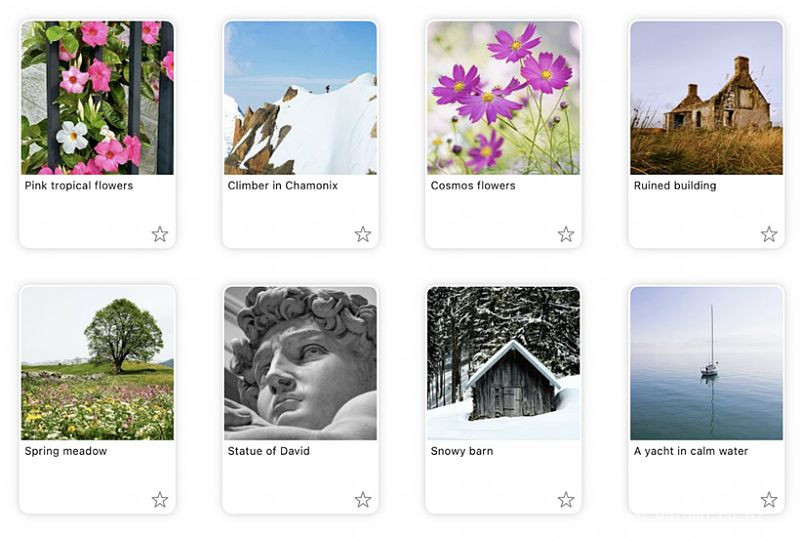
If you're painting from a photo and planning to share your work online, please use copyright-free images. Two reliable sources:
Unsplash — unsplash.com — beautiful photography, free to use
Pixabay — pixabay.com — a huge variety of subjects, clearly licensed
Pinterest is wonderful for gathering inspiration, but the images there almost never belong to the people who pinned them. Use it as a mood board rather than a source — especially if your paintings are going online.
And honestly? Your own photos are the best reference of all. Even phone snapshots work well. You were there, you know the light and the feeling of the place, and there's no question about copyright.
I hope this helps. The short version is: do the work, repeat more than feels necessary, embrace the failures, work small and freely, and keep a sketchbook so you can see where you've been. That's it. Everything else follows.
Excited to announce my new watercolour journey "Adventures in Colour". This journey brings together four structured watercolour pathways, each with 6 deep-dive lessons. Each pathway is designed to wor...
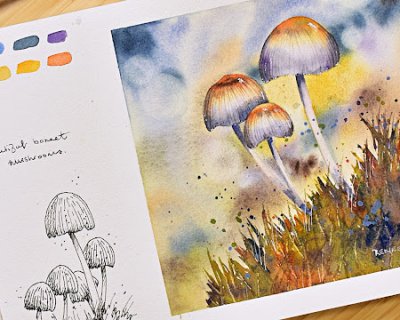
🍂 Watercolour Tutorial: Painting Autumn Mushrooms 🍂. It’s mushroom season, and I couldn’t be happier! These delicate fungi are known as beautiful bonnet mushrooms — though honestly, they d...
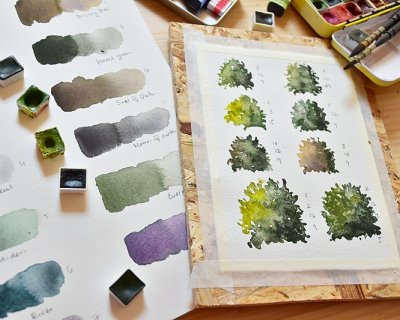
I'm off to Italy next week for my last retreat of 2026 and I'm getting all sorts of things ready. One of them is, of course, my palettes. One of the questions I get asked a lot is how I decide which c...