
Painting Order
The sequence you paint in is as important as the colours you choose
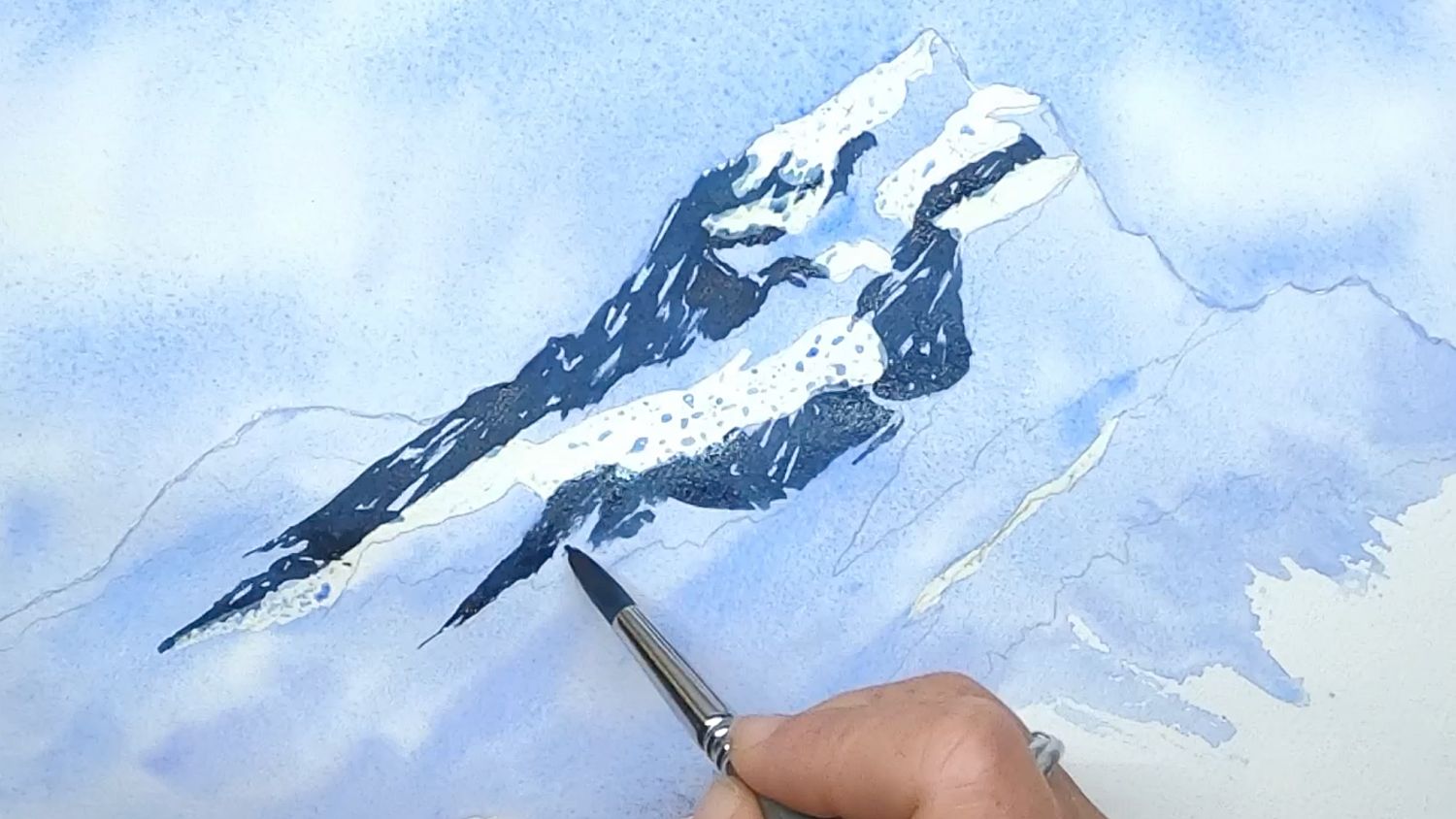
The core principles
- Light to dark — always build from lightest to darkest; you can deepen but it can be difficult to lighten
- Background to foreground — this is the most common way to approach a watercolour painting. But different scenes, might need a different order, so it pays to plan before you start.
- Shadows are usually last — because laying in your shadows will often soften the details underneath, which is how details in shadow look in real life. But if you need details in the shadows to be sharp, you change this order and paint the shadows first.
- Large areas before small details — broad washes first, then refine. This way you won't overwork an area to early and have difficulty pulling the painting together at the end.
Landscape sequence
Used for outdoor scenes with sky, background, mid-ground, and foreground elements.
- Sky — wet-into-wet; let dry naturally before painting nearby elements
- Background (furthest hills, distant trees) — lightest, coolest tones, with minimal detail
- Foreground — richest colour, warmest colour, most texture
- Main subject — after all surrounding areas are established
- Details - after all the initial washes are done, and focusing on the focal point
- Shadows — across all elements, connecting shapes, darkest darks at the focal point
- Pen work - usually only on the man-made structures.
Still life sequence
Used for flowers, pots, windows, laundry, and any arranged subject with distinct objects in front of a background.
- Background — wet-into-wet, soft and receding
- Main object base colours — lightest first, working across the whole object
- Secondary objects and surroundings
- Details — texture, patterns, small elements
- Shadows — cast shadows on surfaces, dark sides of round objects
- Pen work — shadow sides only; white gel pen on sunlit sides
The white subject exception
For white flowers, white buildings, or any white subject: it can be easiest to paint the subject first (usually just shadowing and a little detail), then add the background later with negative painting. White is the paper — protect it by painting around it.
When to break the rules
Conventions about painting order exist for good reasons — but they're not absolute. Some examples where it can be helpful to break the rules.
- Building before foreground: sometimes it's easier to paint a building first, then tease grasses and flowers over its base — this can create a more natural integration
- Masking fluid: applied before any paint, it protects white areas so you can paint freely over them
- Wet-into-wet background flowers: background and some foreground elements can merge in a single wet session, with sharper details added wet-on-dry once dry
- Splatter timing: some splatters work better between layers rather than at the very end
The most common order mistake
Painting the focal point in too much detail before the surrounding context exists. The most painstakingly detailed barn will look wrong if the sky behind it is painted as an afterthought.
Always establish the full scene at a broad level before going deep on any single element. Think of it as developing a photograph — the whole image emerges gradually rather than one corner at a time.